About Us
Kortical’s Mission is to End Drudgery
Like you, we hate repetitive work. Automation is part of the DNA of Kortical and we love seeing a task that we used to have to do again, and again, and again, get automated out of existence and watch that mind numbing work disappear forever. In fact studies show that boredom is the top reason people look for a new job, so automation is not just good for business, it’s good for maintaining a healthy, happy workforce. Ultimately the purpose of technology is to amplify the effectiveness of human labour. AI and Machine Learning (ML) are a revolution in labour amplification and promise to change the nature of work entirely. Giving us a chance to end drudgery once and for all.
Leadership
CEO / CTO

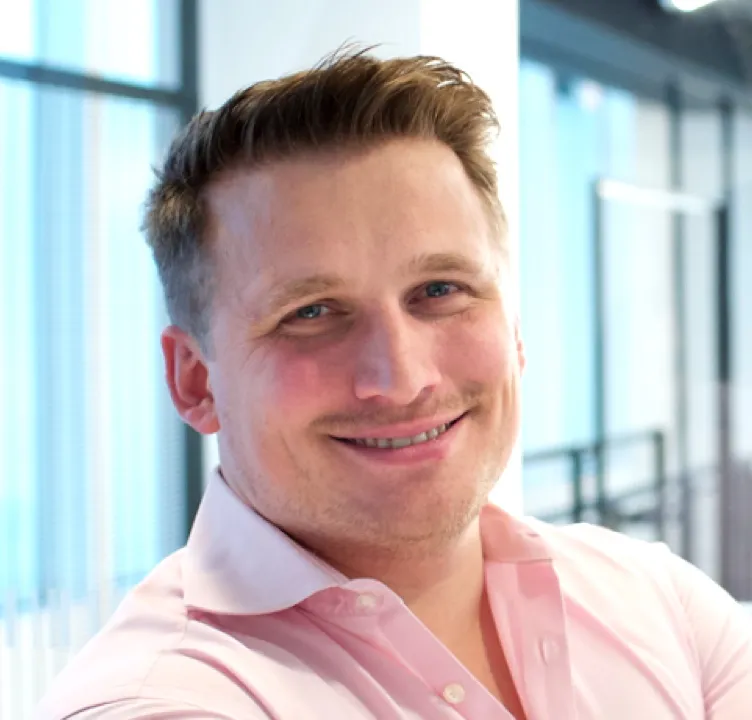
Since the age of 15 while trying to figure out how to dodge chores for good, Andy started to think about how a brain could be recreated in code and developed a passion for AI. He had a career in video games, making games that sold over 10 million copies and then moved to banking where among other things he worked on patents for ultra low latency option pricing using machine learning, as well as delivering large scale machine learning projects into production for major banks.
"We’re still at the start of the AI and machine learning gold rush, where you can just crest a hill and stumble onto something insanely valuable. Our goal is to help people find those nuggets faster and more successfully."
Chief Data Scientist
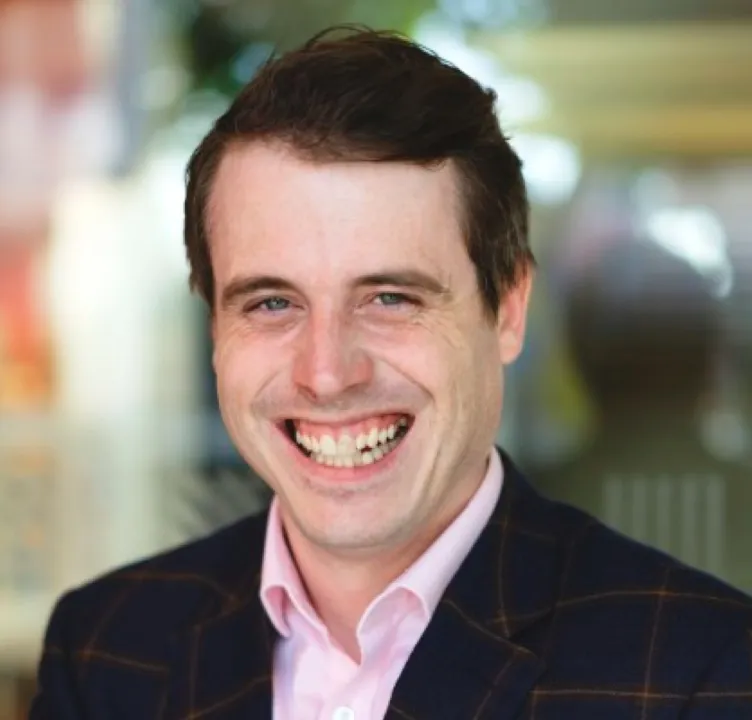
Alex was lucky enough to do a degree in AI and Cybernetics back before it was cool in 2006, and then went on to do a PhD in Data Science after which he worked as a machine learning consultant in London helping businesses make sense of this new and complex technology. Prior to Kortical, Alex and Andy were co-founders in a previous AI startup focussing on call-centres. They soon realised that the ML automation technology they had built to make the in-house machine learning pipelines more efficient was actually a better product than the call center solution it was powering, so they bought out the other founders and launched Kortical!
"What we learn in training echos in production - Marcus Aurelius"
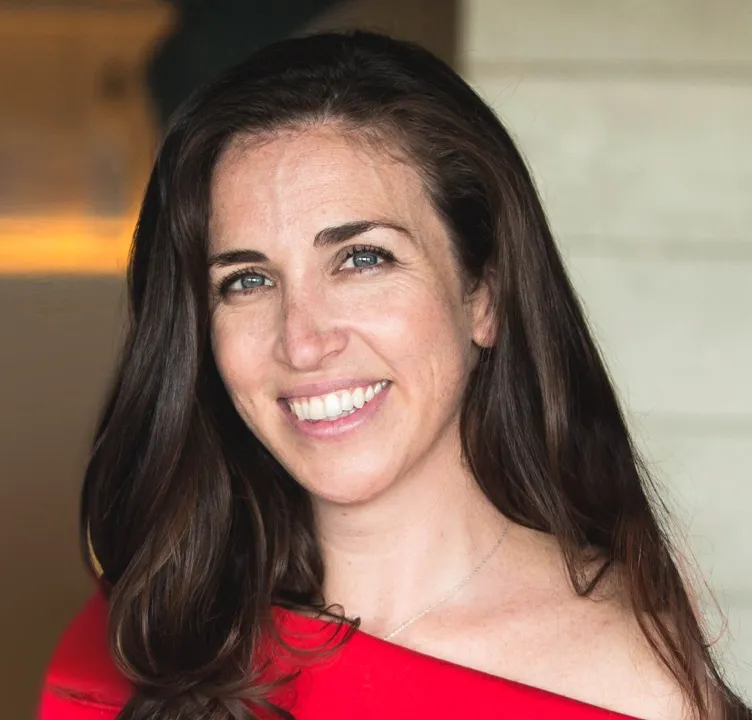
COO
Strategy and relentless execution have been at the forefront of Barbara's career. She started in advertising and then moved to digital marketing and ecommerce at the likes of Coca-Cola and Budweiser. The most success and joy has come with working with an awesome team, and that ethos we have carried over into Kortical. We have a strong people focus that we are really proud of, both with our customers and especially with our team.
"Creating something new is easy. Creating something that can last is the challenge. (Adam Braun) - do reach out if you want to join us on that challenge"
Culture
We love what we do and we want to have fun doing it.
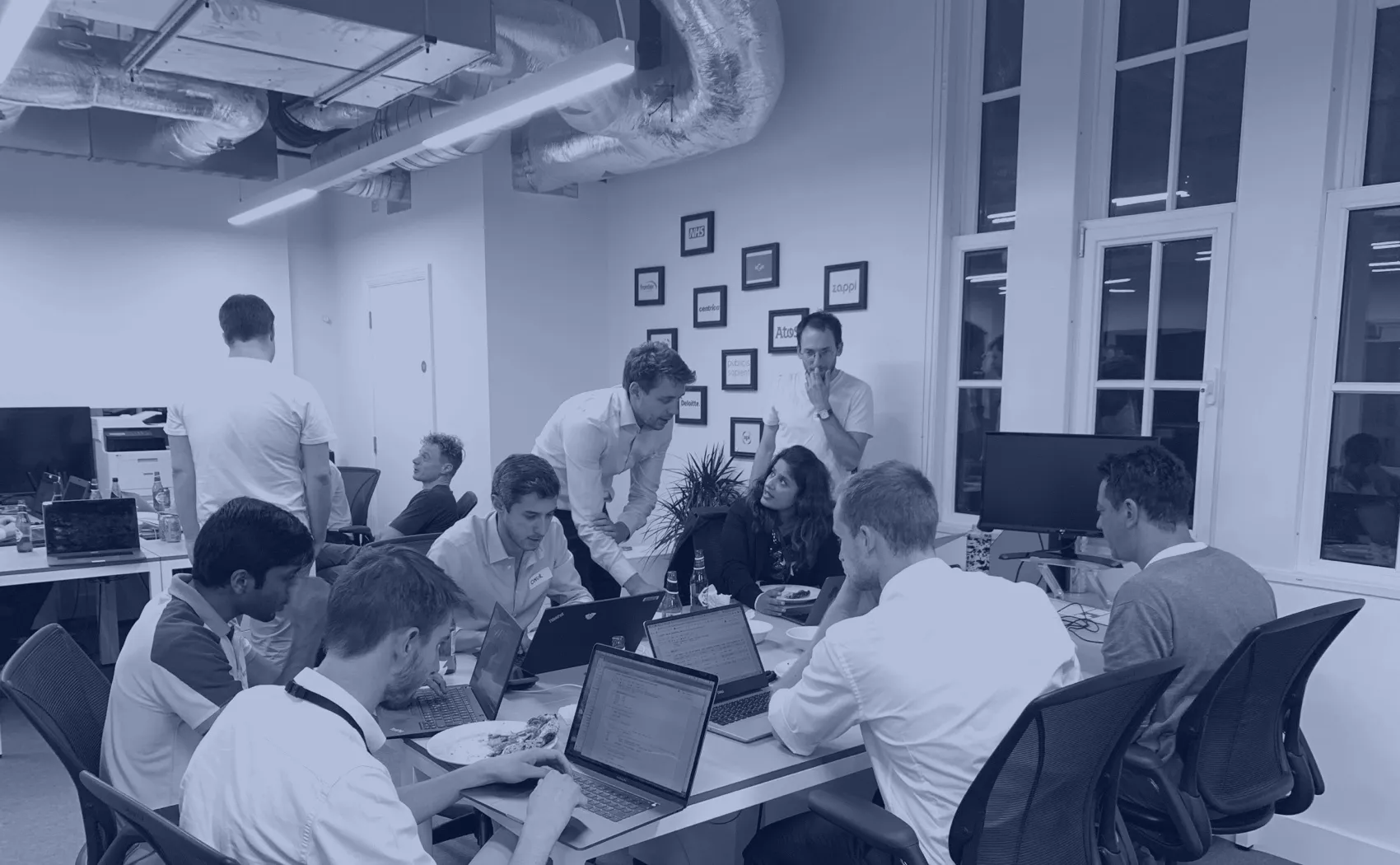
We think that in order for a team to work well, everybody should know each other and we have a bunch of events that we do to try and bring everyone together. We do a team lunch every two weeks and ‘Mandatory Fun Days’ every quarter, where we do things like: go karting, VR, escape the room, clay shooting and have a party afterwards. Besides the company run events there are usually trips to the pub and other ad hoc things going on.
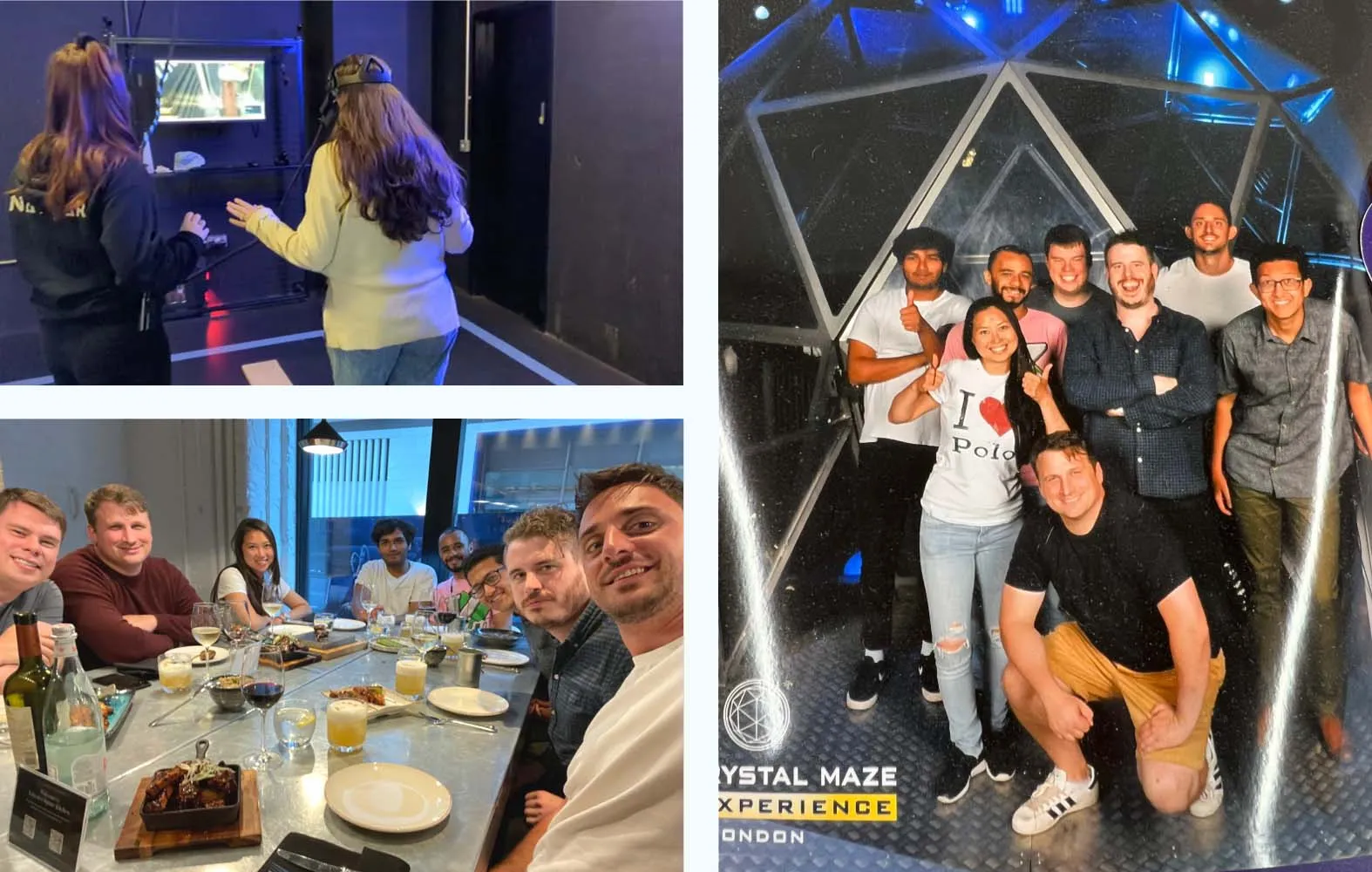
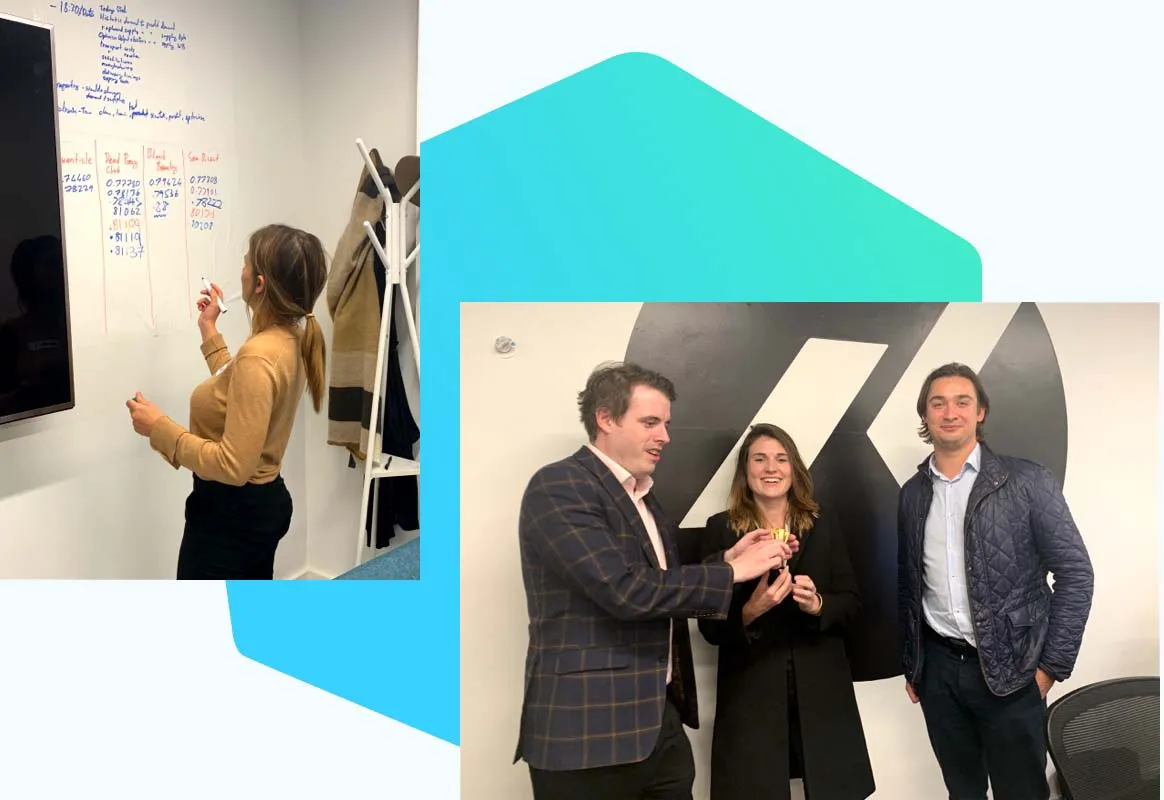
Our goal is to bring talented people together to make something great.
We try to ensure that there are opportunities to learn from each other. There are also ample opportunities to do something cutting edge and push the limits of your knowledge. Kortical is very transparent and has the belief that if everybody is well informed about what we’re doing and why then it helps them make better decisions along the way and we get there with a better product faster. We’ve also got a very strong culture of best idea wins and are quick to adapt the plan if anyone surfaces a better idea.
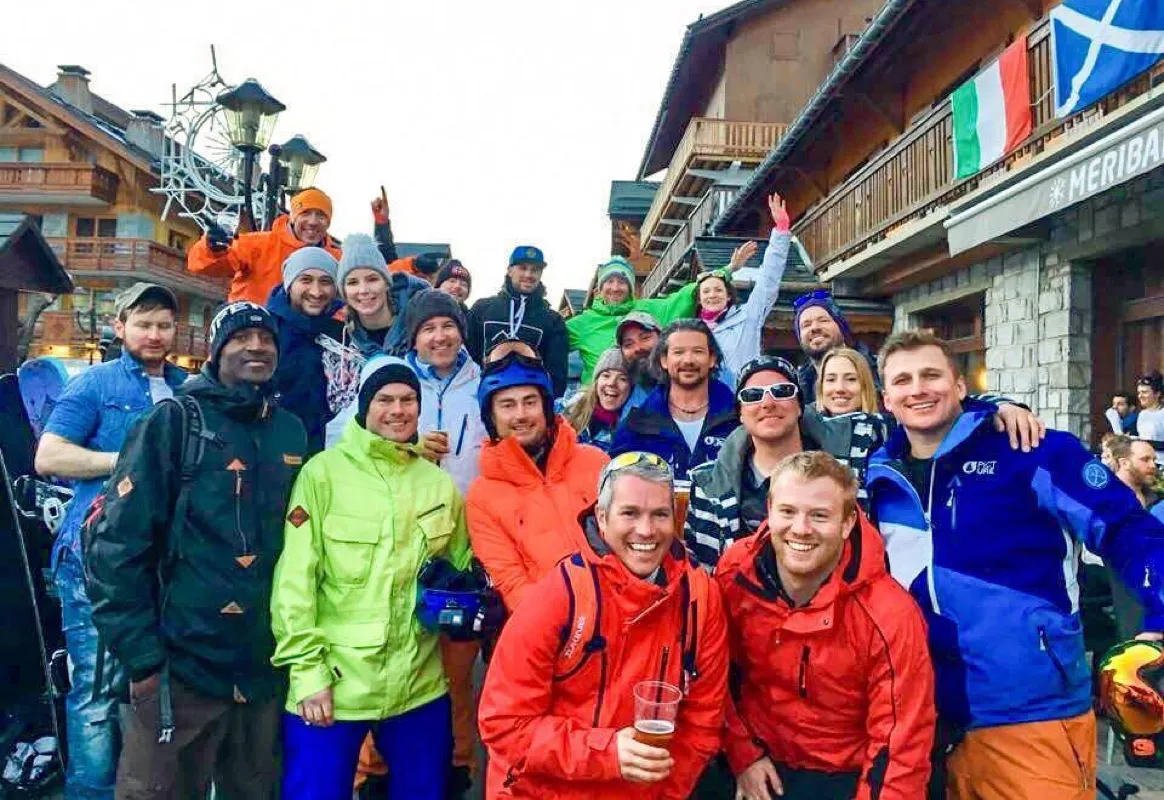
We like to celebrate big wins.
With the last big win we went on a ski trip. We want everybody that works here to be invested in the success of the company and we provide stock options so that everyone shares in the success and we all win together.
Data/IP Security
We never share your data. Ever.
Data is the lifeblood of AI and machine learning but also needs to be guarded and protected to ensure the data integrity of our customers. Another key concern for customers should be who owns the created IP and in the case of using Kortical, this is always exclusively the customer.
- Data is never shared with any third parties or other customers
- Models or other derivative IP created from the data is never shared with any third parties or other customers
- IP created using the Kortical platform is yours
- We don’t enforce any form of vendor lock-in you are free to take your models and deploy them elsewhere
Our security measures are certified.
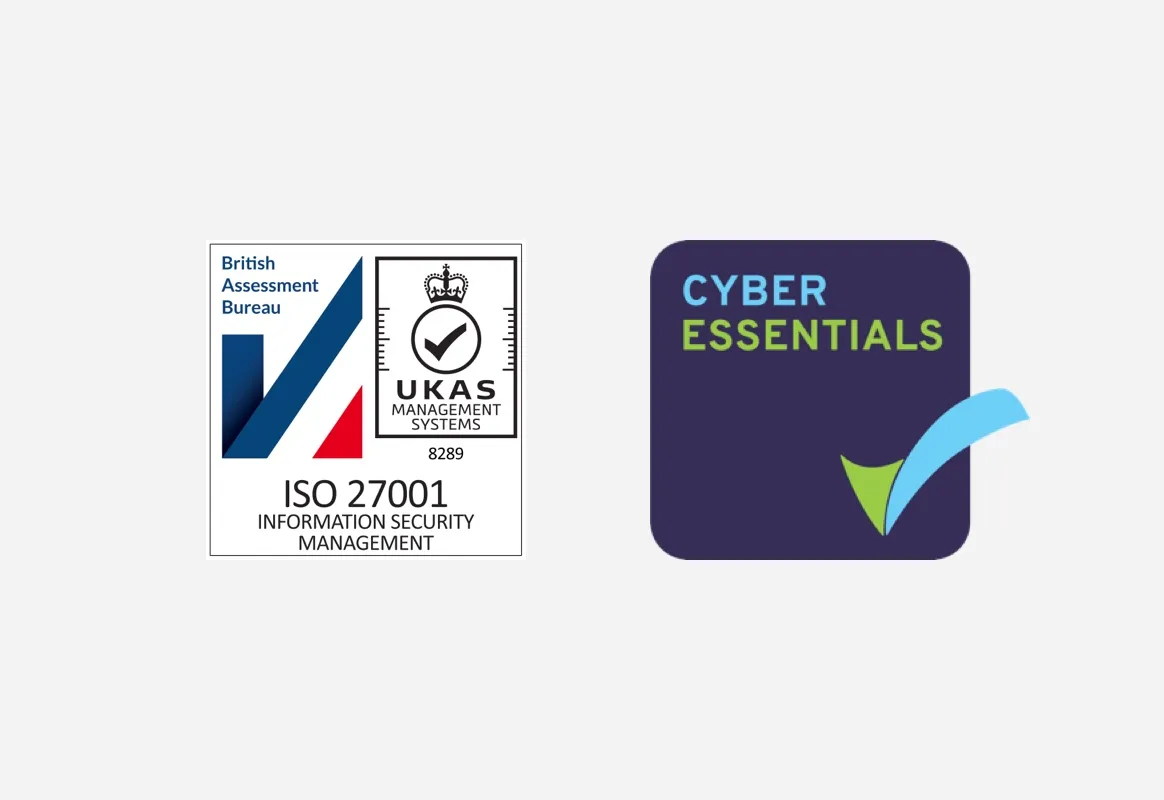
We are ISO27001 Information Security Management certified, Cyber Essentials certified and conduct regular pen tests.
Bulletproof - “Bulletproof would like to congratulate Kortical for maintaining a good standard of security and commend their efforts to provide a good service”
Sustainability
Kortical is an ambassador for good.
As you can see from our mission statement, Kortical wants to be an ambassador of AI for good and ensuring good outcomes for the world from the application of AI. As a part of this commitment, Kortical is carbon neutral.
We are committed to ensuring that there is no modern slavery or human trafficking our supply chains or any part of our business. Our Anti-Slavery Policy reflects this commitment.

Ready to automate real work?
Contact us to see a focused demo and explore the quickest path to production.
Thank you!
A Kortical team member will be in touch shortly